What is an Arborist and Why are They Important in Protecting Mature Trees in Conservation Areas?
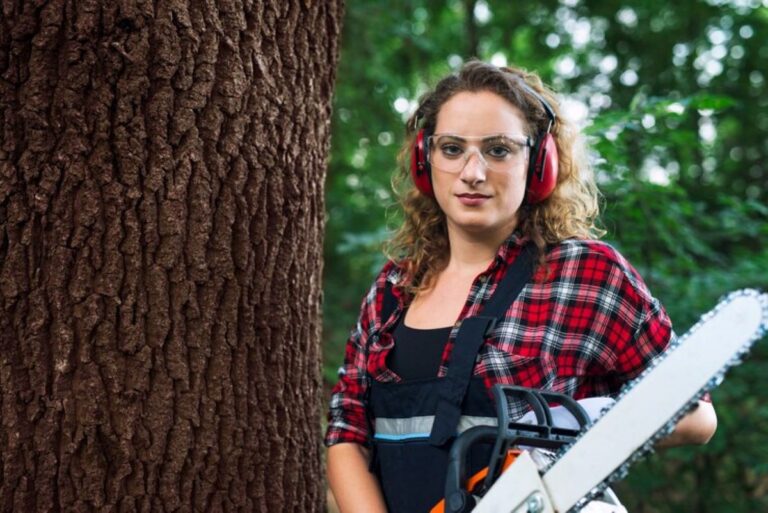
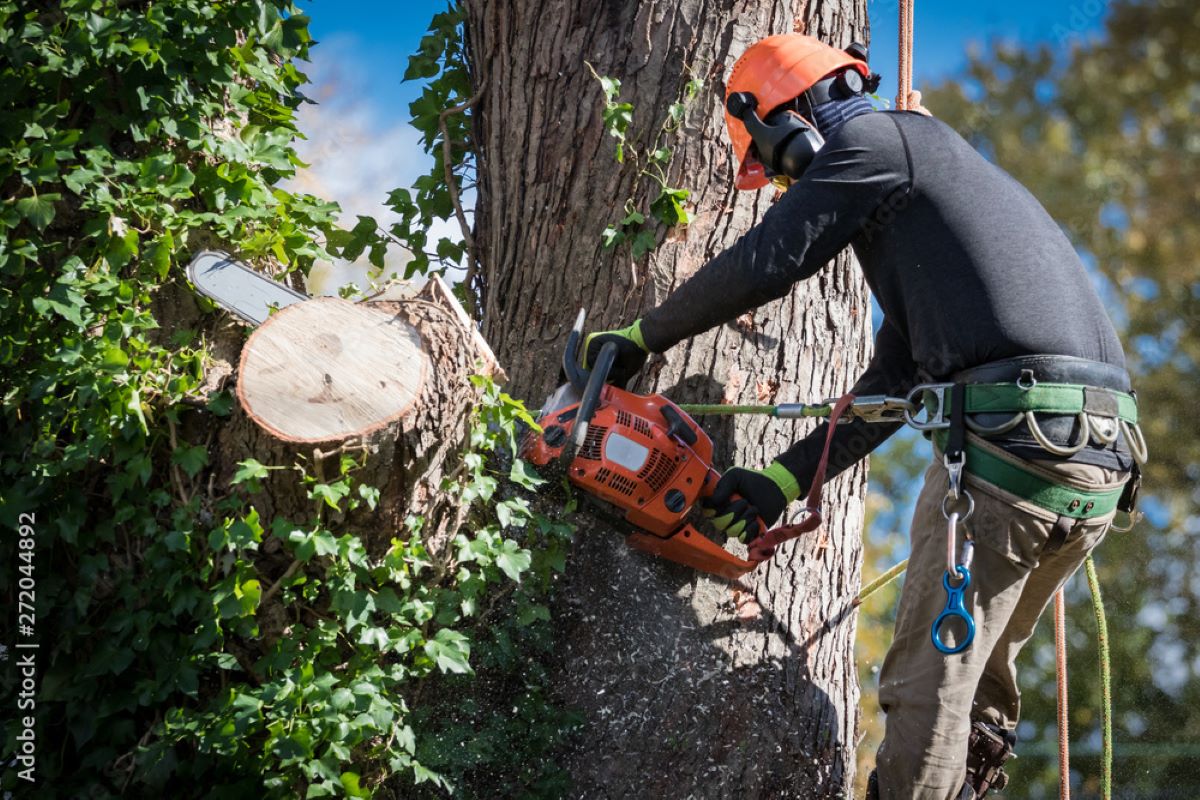
An arborist Killara is a certified tree care specialist trained in the science and practice of planting, maintaining, and managing individual trees. These professionals possess deep knowledge of tree biology, structural integrity, and species-specific requirements that enable them to provide expert care for urban forests and residential landscapes.
Mature trees in conservation areas serve as irreplaceable ecological assets. They provide critical habitat for native wildlife, stabilize soil, filter air pollutants, and contribute to the area’s unique character. A single mature tree can support hundreds of species while sequestering significant amounts of carbon dioxide. Their loss would create environmental gaps that take decades to restore.
The role of an arborist extends beyond basic maintenance. In Killara’s conservation zones, these specialists act as guardians of heritage trees, balancing human development needs with environmental preservation. They assess tree health, identify potential hazards, and implement protective measures that ensure longevity.
This article examines how Killara arborist protects mature trees in conservation areas through specialized techniques, regulatory compliance, and sustainable management practices. Each section explores specific strategies these professionals employ to safeguard trees that define the region’s natural heritage, from risk assessment protocols to navigating complex environmental planning policies.
What Roles Do Arborists Play in Protecting Mature Trees in Conservation Areas?
Arborists provide specialized tree care services that keep mature trees healthy and structurally sound. Their expertise includes pruning techniques that maintain natural growth patterns, crown management to reduce weight stress, and soil treatments that address nutrient deficiencies. Each intervention follows scientific principles designed to strengthen trees rather than compromise their integrity.
Risk Management in Conservation Zones
Risk management is a key aspect of arboricultural work in conservation areas. Certified arborists conduct thorough inspections to identify structural weaknesses, disease symptoms, and environmental stressors that could threaten tree stability. They assess factors such as root plate condition, branch attachment points, and decay patterns to determine appropriate care strategies.
The Philosophy of Tree Preservation
The philosophy of tree preservation guides every decision arborists make. They prioritize methods that extend tree lifespan while ensuring public safety:
- Selective pruning to remove only hazardous limbs
- Cable and bracing systems for structural support
- Root zone protection during nearby construction
- Treatment protocols for pest and disease management
Arborists actively avoid destructive practices such as tree lopping, which weakens trees and reduces their ecological value. Their assessments take into account both immediate risks and long-term health outcomes, ensuring that mature specimens continue providing environmental benefits. This preservation-focused approach safeguards the invaluable ecosystem services these trees provide to Killara’s conservation areas.
How Do Arborists Ensure Compliance with Local Regulations in Killara?
Arborists navigate complex local council regulations to ensure all tree management activities meet legal requirements. The Ku-ring-gai Council enforces strict guidelines that protect significant and heritage trees, requiring permits for pruning, removal, or any work that might impact protected species. These regulations classify trees based on their ecological value, species type, and location within conservation zones.
Professional arborists stay current with council amendments and planning instruments that govern tree protection. They understand which trees fall under preservation orders and when development consent applications require arborist reports. This knowledge prevents property owners from inadvertently breaching regulations that could result in substantial fines or legal complications.
Tree protection zones (TPZs) represent a critical compliance measure that arborists establish around valuable trees. These zones create physical barriers during construction or maintenance activities, calculated based on the tree’s trunk diameter and species characteristics. TPZs prevent soil compaction, root damage, and mechanical injury to bark and branches.
Arborists mark TPZ boundaries with fencing and signage, ensuring contractors respect these protected areas throughout project duration. They conduct pre-development assessments to determine appropriate TPZ dimensions and monitor sites to verify ongoing compliance. This systematic approach safeguards root systems and canopy structures that mature trees depend on for survival, particularly during periods when construction activity poses the greatest threat to tree health.
What Tree Care Techniques Are Used by Arborists to Support Tree Health?
Tree trimming removes dead, diseased, or overcrowded branches to improve air circulation and light penetration throughout the canopy. This technique reduces the risk of pest infestations and fungal diseases while maintaining the tree’s structural integrity in conservation areas.
Formative pruning shapes young to semi-mature trees by establishing strong branch architecture early in their development. Arborists target crossing branches, weak unions, and competing leaders to create balanced growth patterns that prevent future structural failures.
Seasonal pruning aligns with natural growth cycles, with dormant-season work minimizing stress on deciduous species and post-flowering pruning protecting spring bloomers. This timing-sensitive approach optimizes wound closure rates and reduces vulnerability to pathogens.
Stump grinding eliminates tree stumps below ground level, preventing regrowth and removing potential habitats for wood-boring insects that could threaten nearby healthy trees. The resulting mulch can be repurposed as organic ground cover.
Arborists employ specialized equipment including precision pruning tools, hydraulic lifts for canopy access, and low-impact machinery that minimizes soil compaction around root zones. These eco-friendly methods preserve the delicate ecosystem balance while delivering effective care. Advanced diagnostic tools like resistograph testing assess internal wood decay without invasive procedures, allowing targeted interventions that extend the lifespan of heritage specimens in protected landscapes.
How Arborists Help Property Owners Understand Environmental Planning Policies
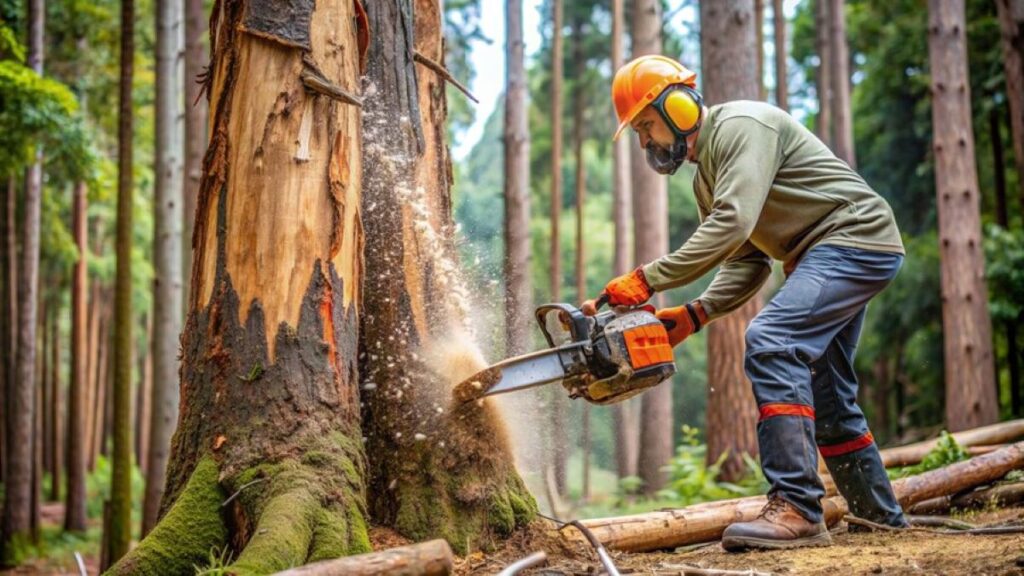
Arborists conduct thorough assessments to determine whether trees fall under environmental planning policies that restrict removal or alteration. They evaluate each tree against local conservation criteria, identifying characteristics that may classify it as protected under Ku-ring-gai Council regulations.
Protected species identification is a crucial part of evaluations before development. Arborists document native and significant trees on properties, noting their ecological value, structural condition, and legal status. This information determines which trees require special consideration before any construction or landscaping work begins.
The preparation of development documentation includes detailed arboricultural impact assessments and tree management plans. These reports specify:
- Exact locations and dimensions of protected trees
- Recommended protection measures during construction phases
- Alternative design solutions that preserve valuable specimens
- Compliance strategies aligned with council requirements
Property owners receive clear guidance on lawful tree management practices that satisfy both regulatory obligations and landscape goals. Arborists explain permit requirements, outline acceptable maintenance activities, and identify scenarios where tree removal applications may be necessary. They translate complex planning instruments into actionable advice, helping owners make informed decisions that avoid penalties while supporting conservation objectives.
This expertise proves invaluable when balancing property development ambitions with environmental responsibilities, ensuring projects proceed without compromising Killara’s tree canopy heritage. For instance, in cases involving endangered species, arborists play a critical role in navigating the additional legal complexities associated with such protected flora.
How Do Arborists Monitor and Manage Risks Associated with Mature Trees in Conservation Areas?
Tree health monitoring is the key to managing risks in conservation areas. Arborists carry out regular inspections to find any weaknesses, pest problems, fungal infections, or signs of decline before they become serious. They use specialized tools to check the roots, trunk, branches, and canopy of the trees.
When dead/diseased tree management is necessary, arborists follow specific procedures that prioritize safety while also considering conservation values. They assess whether selective pruning can fix isolated issues or if more extensive action is needed. For trees that cannot be saved, arborists document their condition and work with council authorities to ensure proper removal processes are followed.
Hazard reduction strategies focus on taking proactive measures instead of just removing trees reactively:
- Selective pruning removes compromised branches while maintaining the tree’s structural integrity
- Cable and bracing systems provide additional support to weak limbs or split trunks
- Root zone management prevents soil compaction and improves stability
- Crown reduction decreases wind resistance in storm-prone areas
Arborists prioritize keeping trees whenever possible by implementing gradual interventions that extend a mature tree’s lifespan. They create detailed risk management plans that outline how often trees will be monitored, when maintenance will occur, and what triggers action. This systematic approach protects both public safety and ecological heritage, ensuring mature trees continue playing their important role in Killara’s conservation areas.
What Environmentally Responsible Practices Do Arborists Implement to Maintain Biodiversity?
Arborists in Killara integrate eco-conscious strategies that prioritize biodiversity maintenance while caring for mature trees. They avoid chemical treatments when possible, opting for organic fertilizers and natural pest management methods that protect beneficial insects and soil microorganisms. Selective pruning techniques preserve habitat features like tree hollows and nesting sites that native wildlife depends on for shelter and breeding.
Supporting local ecosystems requires thoughtful management decisions that consider the interconnected nature of conservation areas. Arborists retain dead wood and fallen branches where safe to do so, as these provide essential habitat for insects, fungi, and small mammals. They plant native species during restoration work to strengthen ecological balance and ensure food sources for local fauna. Mulching practices using organic materials improve soil health and moisture retention without introducing foreign substances that could disrupt the natural environment.
Long-term conservation goals benefit from arborist practices that view trees as part of a larger ecosystem rather than isolated specimens. How an Arborist Killara Protects Mature Trees in Conservation Areas extends beyond individual tree health to encompass the entire habitat network. They time maintenance work to avoid breeding seasons, protecting vulnerable bird populations and other wildlife. Water-sensitive techniques prevent soil compaction and erosion, maintaining the underground root networks that support multiple trees and understory plants throughout conservation zones.
Conclusion
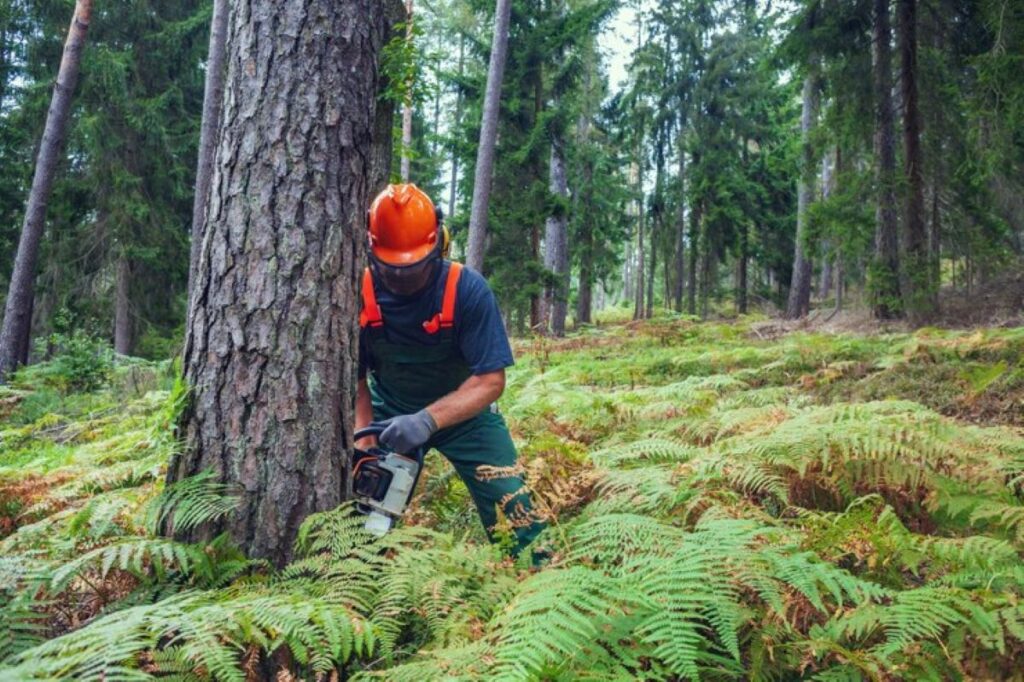
Arborist expertise is essential for protecting mature trees in Killara’s green spaces. These professionals use their knowledge of both tree care and local regulations to ensure the survival of these important trees through:
- Proper pruning and health maintenance techniques
- Following Ku-ring-gai Council guidelines and Tree Protection Zone (TPZ) requirements
- Assessing risks while considering both safety and preservation
- Providing documentation support for development applications
- Implementing eco-friendly practices that benefit local ecosystems
The conservation efforts we see in Killara today are a result of the work done by qualified arborists who prioritize keeping trees instead of removing them. Their specialized care helps trees live longer and maintains the delicate balance of nature in these areas.
Community members also have a crucial role to play. By hiring certified arborists to assess their properties and respecting protection measures around significant trees, they can actively contribute to preservation outcomes. Property owners who seek professional advice before doing any work near mature trees are directly impacting the preservation of these natural treasures.
Knowing how an arborist protects mature trees in conservation areas empowers residents to make informed decisions. When professionals are involved, we can ensure that these valuable resources continue to provide environmental, aesthetic, and cultural benefits for future generations.
More to Read : Arborist Hornsby: How to Maintain Trees on Large Acreage and Leafy Blocks