
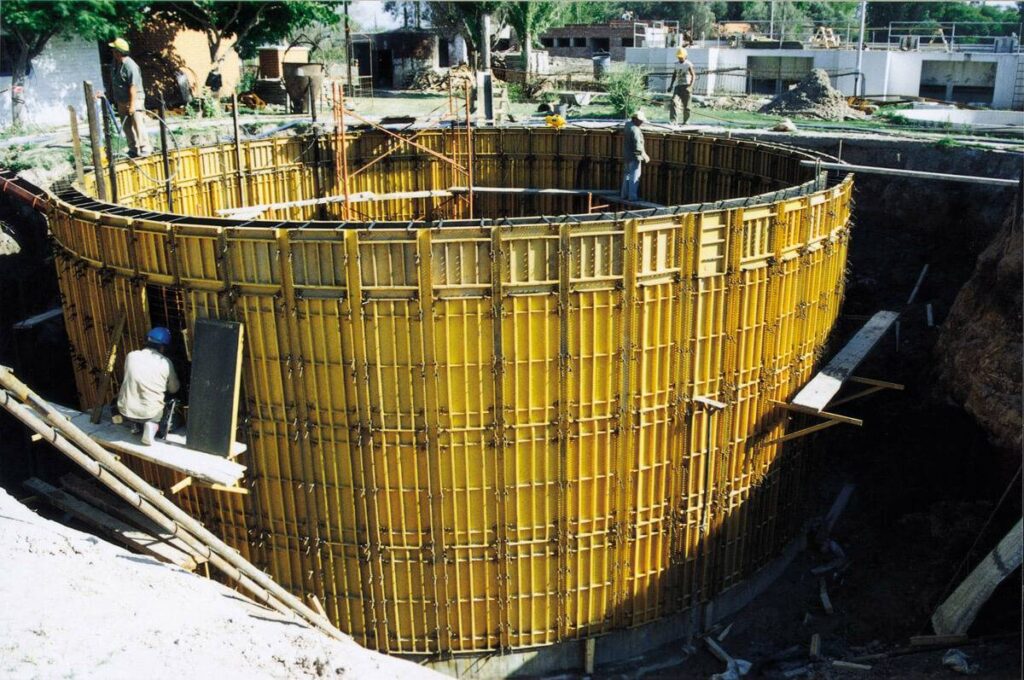
They also suit small sites and DIY-friendly workflows. With the right approach, plywood curved concrete forms can produce durable steps, seat walls, retaining edges, garden features, and even feature bases that look purpose-built for timber-heavy architecture.
What are plywood curved concrete forms, in simple terms?
They are temporary moulds made from bendable plywood and bracing that hold wet concrete in a curved shape until it cures. In rustic projects, plywood curved concrete forms are used to create rounded edges and flowing geometry that complements logs, stone, and rough-sawn timber. Learn more about plywood curved concrete forms to understand their advantages in achieving smooth, durable curved concrete designs.
Because plywood can be kerfed, laminated, or bent in sheets, it can form both gentle sweeps and tighter curves. Once stripped, the concrete keeps the profile.
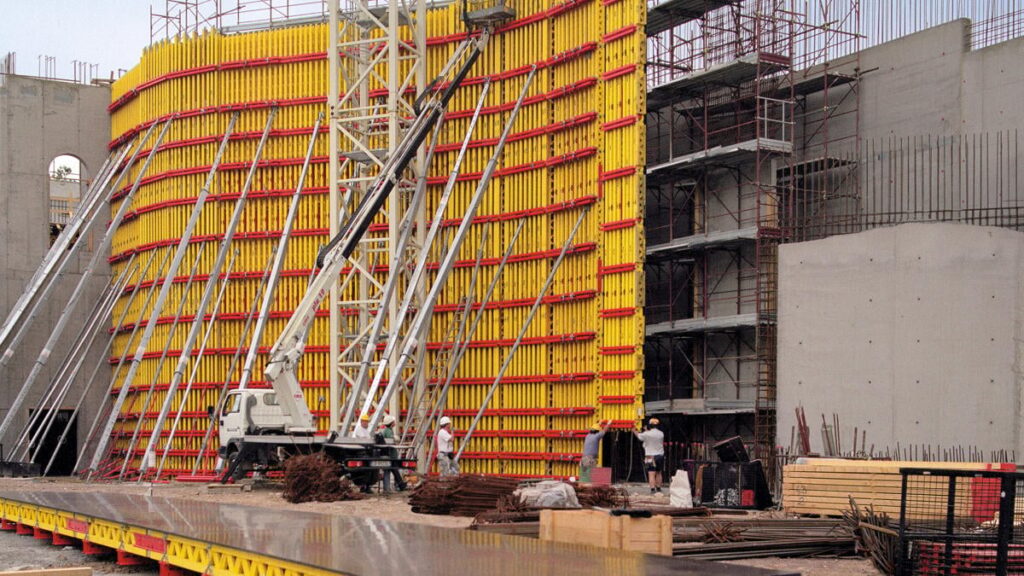
Why do cabin and rustic builds prefer curved concrete over straight lines?
Curves soften hard materials and visually connect concrete to natural surroundings. Many designers use plywood curved concrete forms to echo river bends, tree rings, or rolling terrain, which helps concrete feel less “urban” and more “site-led”.
Curved elements can also improve flow around porches, fire pits, and paths. In tight clearings, a curve can create more usable space than a sharp corner.”
Where do plywood curved concrete forms get used most on rustic projects?
They show up wherever a project needs structure plus a crafted look. Plywood curved concrete forms are common for curved steps, semicircular stoops, round pads for stoves or outdoor kitchens, and sweeping seat walls near a view.
They also work well for low retaining walls and raised planters that wrap around boulders or trees. Even a small curve can turn a plain slab edge into a feature.
How do plywood curved concrete forms actually hold their shape under concrete pressure?
They rely on three things: a bendable face, tight fastening, and strong bracing. With plywood curved concrete forms, the plywood skin provides the curve, while studs, ribs, or strongbacks resist outward pressure from the wet concrete.
The tighter the curve and the taller the pour, the more bracing they need. Good layouts place supports closer together on tighter radii to prevent bulging and flat spots.
Which plywood types work best for curved concrete forming?
Builders usually choose flexible plywood (often marketed as “bendy ply”) for tight radii and smooth arcs. For wider curves, standard exterior-grade plywood can work when kerfed or laminated. Plywood curved concrete forms typically perform best when the face sheet is consistent, void-free, and suited to moisture exposure.
They also need a clean form face if the concrete will be left exposed. A smoother sheet reduces patching and grinding later.
How do they create tight curves without cracking the sheet?
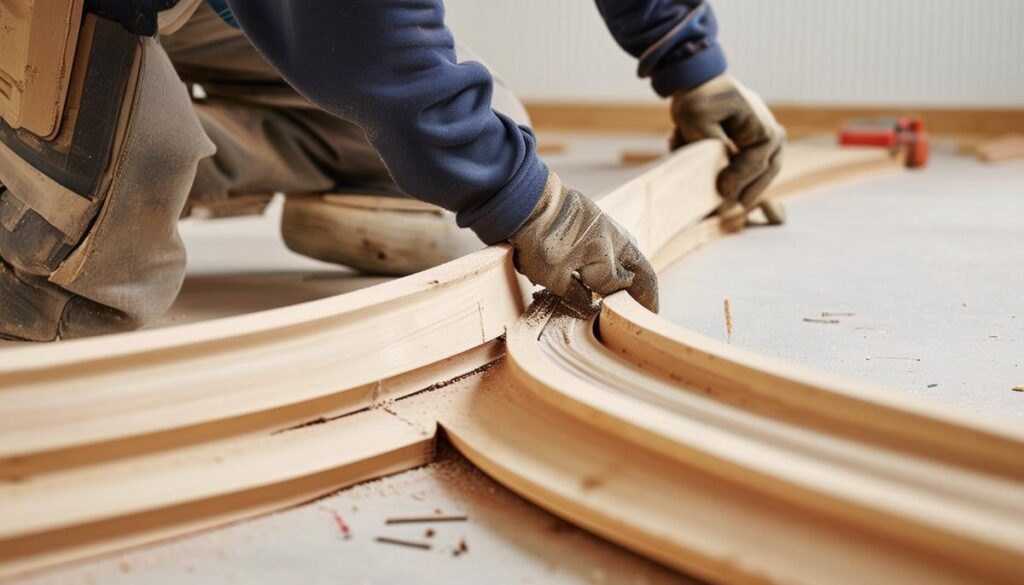
They typically use one of three methods: kerf cuts, laminating thinner sheets, or using flexible plywood. Plywood curved concrete forms for tight radii often rely on laminations, because multiple thin layers bend more evenly and resist spring-back.
Kerfing can help, but it leaves grooves that may telegraph through if the form face is not backed properly. For visible concrete, laminating usually gives the cleanest finish.
What role do strength and reinforcement play in curved concrete features?
Curved shapes can be strong, but reinforcement still matters because concrete is weak in tension. Many projects using plywood curved concrete forms include rebar, mesh, or fibres to control cracking, especially in steps, seat walls, and retaining features. Click here to explore effective reinforcement methods for curved concrete applications.
They also need correct cover, proper tying, and stable chairs so steel stays in place during the pour. Good reinforcement planning prevents hairline cracks from spoiling an otherwise beautiful curve.
How do they keep the curve consistent from start to finish?
They set out the radius carefully and use templates or a central pivot to check the arc. With plywood curved concrete forms, consistency comes from repeating measurement points, using identical ribs, and confirming alignment before any concrete arrives.
Small errors compound over distance. A quick “dry run” with the plywood attached, braced, and checked for smoothness saves a lot of correction work later.
What finishing choices suit rustic aesthetics once the forms come off?
Many rustic builds prefer lightly textured finishes that look natural beside timber and stone. After stripping plywood curved concrete forms, they may choose a board-formed look, a soft broom finish, or a gentle rub to remove sharpness without making it glossy.
Edge details matter too. A small radius on the top edge reduces chipping and makes the piece feel more tactile, especially on steps and seat walls.
What common mistakes cause blowouts, ripples, or ugly seams?
The biggest issues are weak bracing, rushed fastening, and poorly planned joints. Plywood curved concrete forms need more supports on tight curves, and seams should land on backing so they stay flush.
Over-vibration can also create waves or paste streaks, while under-vibration leaves honeycombing. A controlled pour rate, proper consolidation, and careful joint placement usually solve most problems.
How should they think about cost, labour, and reusability?
Curves take longer to build than straight forms, but they can add high perceived value. Plywood curved concrete forms can be reused when the curve repeats, especially if ribs and strongbacks are kept intact and the form face is protected.
For one-off projects, the labour is often justified because the curved concrete becomes a focal point. In small cabins, one signature curve can define the whole outdoor space.
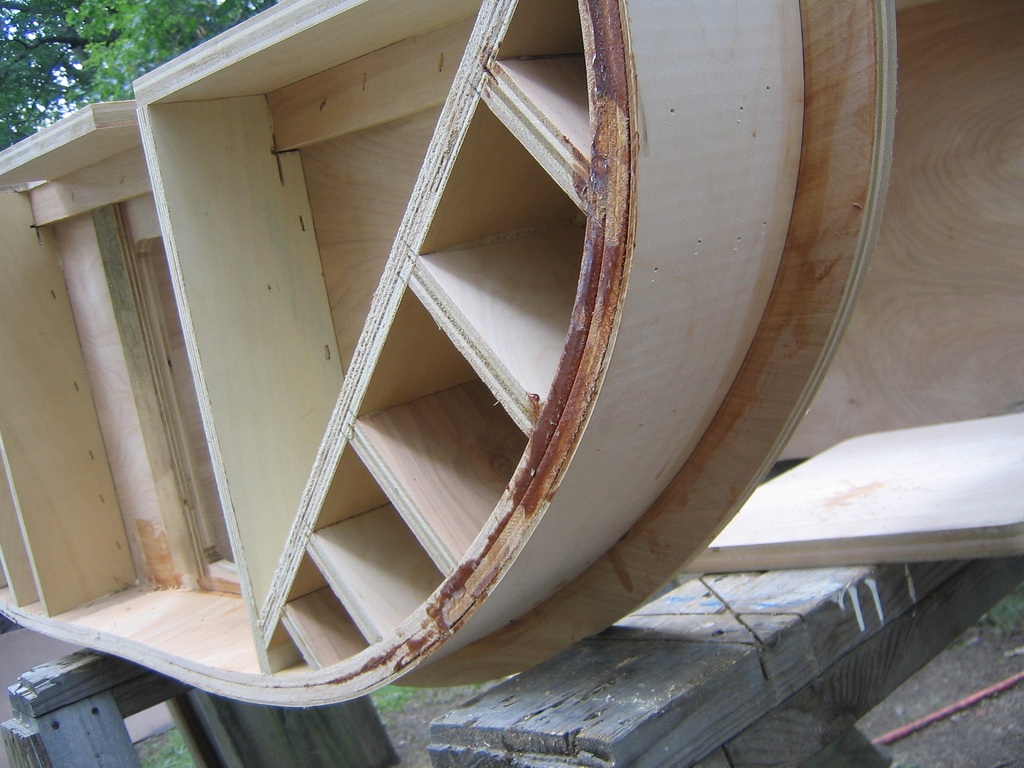
How do plywood curved concrete forms support better structure, not just looks?
They can improve circulation, reduce sharp stress points at corners, and help integrate concrete into complex site conditions. In practical terms, plywood curved concrete forms make it easier to wrap structures around obstacles, follow grade changes smoothly, and create stable edges that resist erosion, all of which can influence LVL formwork pricing factors in modern construction projects.
When shape and structure work together, the result feels intentional. That is why rustic builders keep using plywood curved concrete forms to blend strength with a natural, crafted character.