
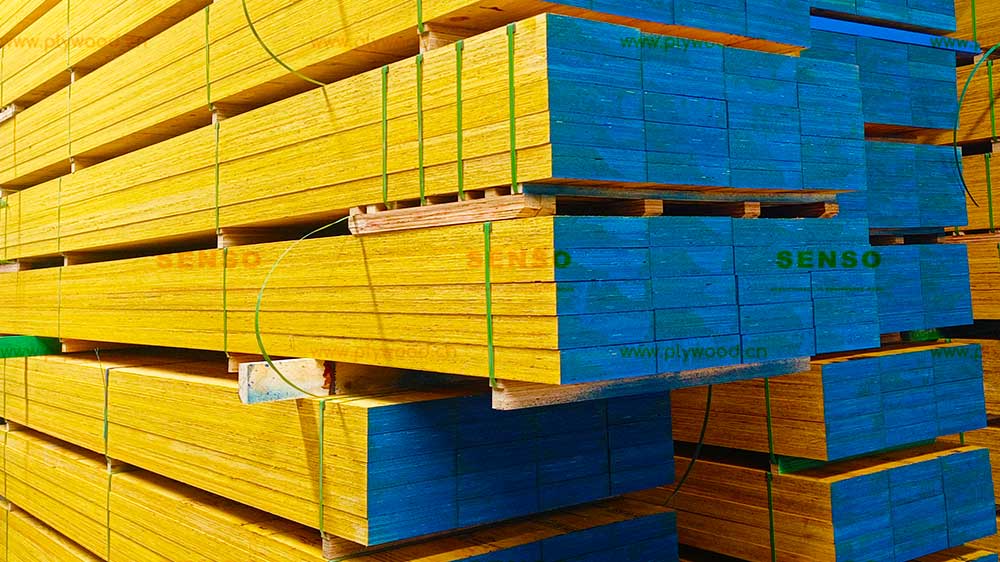
This guide explains what usually drives Timber LVL Formwork Prices, so buyers can forecast spending, compare quotes fairly, and avoid cost surprises.
What are Timber LVL Formwork Prices in real terms?
In practice, timber LVL formwork prices are the total cost to get LVL beams, joists, or panels on site, ready to be used for temporary concrete forming. They usually include product grade, dimensions, finishing, and delivery, but may exclude fixings, labour, and hired equipment. Click here to explore timber LVL formwork prices and compare options to optimise your formwork investment.
Because suppliers quote differently, it helps to break Timber LVL Formwork Prices into material, logistics, and site handling costs.
Why do span and structural requirements change Timber LVL Formwork Prices?
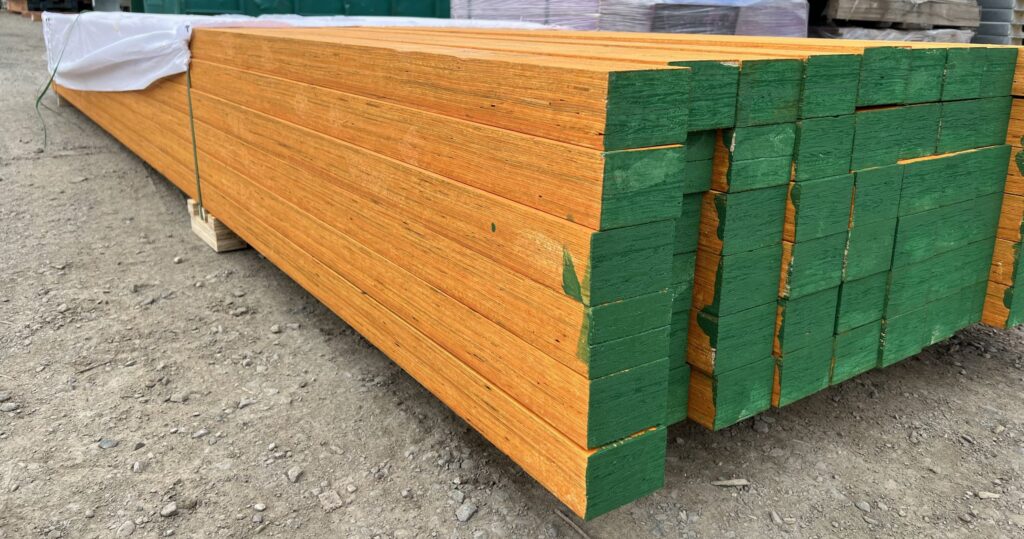
Higher loads and longer spans typically push Timber LVL Formwork Prices up because they require larger sections, tighter tolerances, or higher grade LVL. If a design needs fewer props, it may also require more engineered members, which shifts cost from labour to materials.
Projects with heavy pours, deep beams, or unusual geometry tend to see higher Timber LVL Formwork Prices due to increased specification and checking.
How do LVL grade, thickness, and dimensional tolerance affect Timber LVL Formwork Prices?
LVL is not a single uniform product, and grade selection can change Timber LVL Formwork Prices quickly. Higher grades and thicker members cost more, but they may reduce deflection and improve safety margins during pours.
Tighter dimensional tolerances and better straightness also raise Timber LVL Formwork Prices, yet they can save time on site by reducing packing, rework, and alignment issues.
What role does reuse and life cycle play in Timber LVL Formwork Prices?
The cheapest purchase is not always the lowest cost per pour, and this is where Timber LVL Formwork Prices can be misleading. If LVL members last longer and maintain stiffness across more cycles, their cost per use falls.
Buyers often evaluate Timber LVL Formwork Prices alongside expected reuse, repairability, edge protection, and the likelihood of damage from handling and weather.
How do coatings, surface finishes, and moisture resistance influence Timber LVL Formwork Prices?
Some LVL products come with coatings or treatments aimed at reducing moisture uptake, swelling, and surface wear. These additions usually increase Timber LVL Formwork Prices, but they can improve performance in wet conditions and extend service life.
If a site has high exposure, poor storage, or long programme risk, paying more upfront can stabilise Timber LVL Formwork Prices over the project by reducing replacement.
How do project scale and procurement timing impact Timber LVL Formwork Prices?
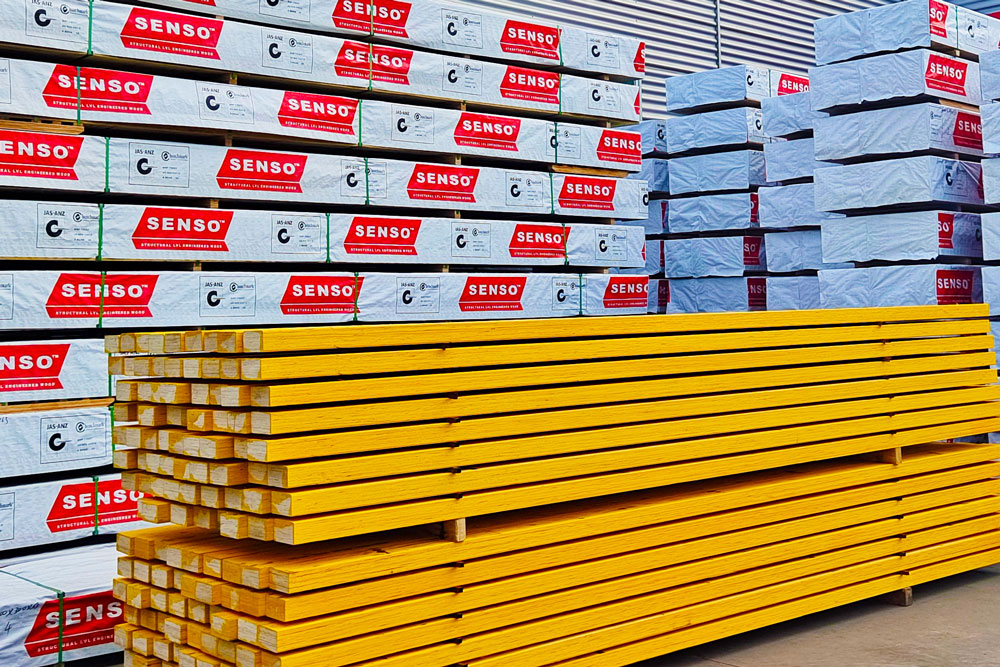
Large orders can reduce Timber LVL Formwork Prices per unit because suppliers can batch production and optimise transport. However, tight deadlines or phased ordering can do the opposite, especially if they trigger multiple deliveries or partial loads. Businesses evaluating LVL formwork pricing strategies can benefit from additional insights into procurement and supply chain efficiency.
Lead times matter too, since urgent supply, low stock, or seasonal demand can lift Timber LVL Formwork Prices even when specifications stay the same.
Why do delivery distance, handling, and site constraints affect Timber LVL Formwork Prices?
Transport is often a hidden driver of Timber LVL Formwork Prices. Longer distances, access restrictions, crane bookings, timed deliveries, and offloading requirements all add cost.
Congested city sites may increase Timber LVL Formwork Prices because they require smaller vehicles, extra labour for manual handling, or additional packaging to prevent damage during multiple movements.
How do compliance, testing, and documentation change Timber LVL Formwork Prices?
Modern projects may require traceability, certificates, and proof of performance. When suppliers must provide more paperwork, testing, or third party verification, Timber LVL Formwork Prices can rise.
This is common on public works, major infrastructure, or contractor frameworks where quality control and audit trails are strict, and suppliers build those admin and QA processes into Timber LVL Formwork Prices.
What purchasing choices help reduce Timber LVL Formwork Prices without compromising quality?
Standardising member sizes and reducing one off cutting usually lowers Timber LVL Formwork Prices because it reduces waste and simplifies supply. Planning for reuse, proper storage, and clear handling rules also helps protect investment and reduce replacements.
They can also compare like for like by confirming grade, size, finish, delivery terms, and what is excluded, so Timber LVL Formwork Prices are evaluated on the same basis across quotes. See details: https://homeswithsupreme.com/plywood-curved-concrete-forms-how-cabin-and-rustic-builds-use-shape-strength-and-structure/
What should they ask suppliers when comparing Timber LVL Formwork Prices?
They should ask what exact LVL grade is quoted, what tolerances apply, and whether treatments or coatings are included. They should also confirm delivery charges, lead times, minimum order quantities, and whether returns or buy back options exist.
Most importantly, they should ask for a clear breakdown so Timber LVL Formwork Prices are not hiding logistics, packaging, or compliance costs that appear later as variations.